London’s Office Buildings Making It Big In Hollywood


For decades, London has been a top location for the film industry. Hundreds of movies and TV series have been set in London, whether in famous studios like Pinewood, Ealing, Leavesden, or Shepperton, or in the city’s streets and iconic buildings. More recently, some of London’s most representative office buildings have drawn the attention of filmmakers, since their varied architectural styles lend themselves to becoming the setting of everything from comedy to action films. Let’s take a look at the London office buildings that are making it big in Hollywood.

1. The Gherkin

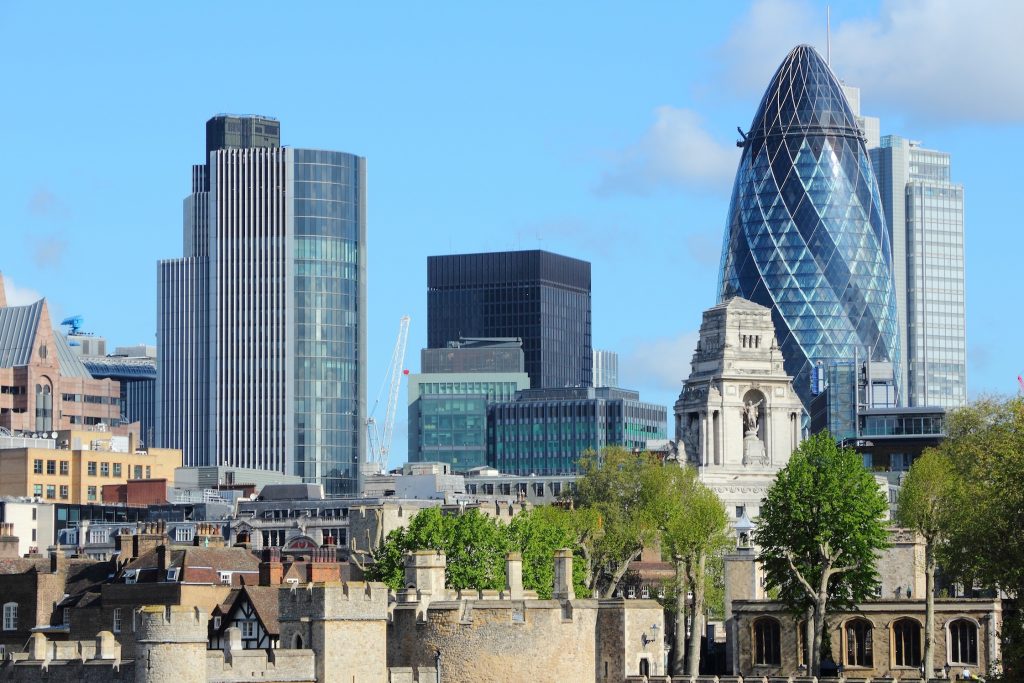
One of London’s most iconic buildings, the Gherkin has received multiple awards due to its unique design and futuristic architecture. This 41-storey high office building was completed in 2003 and its tenants include Regus, Standard Life, JDA, ION Trading, and Kirkland and Ellis (1).

The Gherkin has appeared in several Hollywood blockbusters, including:

– Match Point (2005)
– Basic Instinct 2 (2006)
– A Good Year (2006)
– Harry Potter and the Half Blood Prince (2009)
– Thor: The Dark World (2013)

Continue reading “London’s Office Buildings Making It Big In Hollywood”

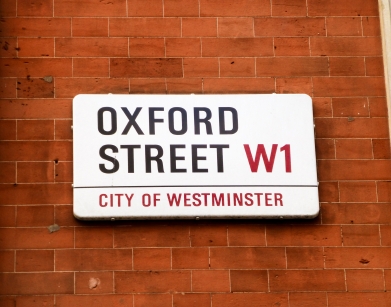
Guide to Oxford Street: Key Facts, History, Architecture and Tourism

Oxford Street is the home of London’s fashion scene and a world class shopping district. Shoppers and visitors to London will find some of the best and most luxurious shops and brands along Oxford Street. Over one-and-a-half miles of some 300 boutiques and shops, department stores, luxury hotels, and fine restaurants combine to create the busiest shopping street in Europe.

About Oxford Street

Oxford Street is bound by the Marble Arch in the east and Tottenham Court Road to the west. It follows the route of a former Roman road that connected Hampshire with Colchester. The River Tyburn runs underneath Oxford Road, with the Grays Antique Centre close to the junction with Bond Street featuring claiming to have an open conduit where part of the stream flows into its basement.

Since the 12th century, Oxford Street has also been known as Tyburn Road, Uxbridge Road, Worcester Road, and Oxford Road. Its current name was adopted in 1729. From the 19th century, Oxford Street became synonymous with shops and London’s retail and fashion sectors. Prior to this, the road was infamous as the final leg for condemned prisoners travelling from Newgate Prison to gallows near Marble Arch. Extensively bombed during the Second World War, Oxford Street was also the target of IRA bombers in the 1970s.

Oxford Street Highlights

Today, flagship stores for some of Britain’s biggest retail names dot Oxford Street, including Debenhams, John Lewis, and House of Fraser. The largest Marks & Spencer store in Britain is also found along Oxford Street at the junction with Orchard Street. Marks & Spencer also operates a branch at the Pantheon, the site of an ornate theatre that originally opened in 1772 and demolished in 1937. HMV also operates the largest music store in Europe at 150 Oxford Street.

Halfway along Oxford Street where the road meets Regent Street is Oxford Circus. Designed by John Nash and built in the 19th century, Oxford Circus today is where you will find a tube station, frenzied shoppers, and a sprawling pedestrian scramble or diagonal crossing, which was added in 2009.

Every year since 1978, Oxford Street has been decorated with Christmas lights during the holiday shopping season. A tradition started in 1959 and interrupted by a recession that began in 1967, the lights have been switched on by celebrities since 1981. Jim Carrey, Charlotte Church, the Spice Girls, the Sugababes, the cast of Coronation Street, and Richard Branson have been some of the famous faces that have officially launched Oxford Street’s busiest shopping period.

Oxford Street’s Impact on the Economy

The fashion industry in Britain contributes over £21 billion each year to the economy, according to the British Fashion Council. The industry also supports approximately 816,000 jobs. Oxford Street alone is home to over 200 British fashion brands. The area employs over 50,000 style experts and educates over 2,000 students in fashion. It also attracts over 100 million visitors each year, who spend £4.9 billion every year along Oxford Street.

Getting to Oxford Street

Whether by public transit, by car, or on foot, Oxford Street is well connected. Bond Street, Marble Arch, Oxford Circus, Piccadilly Circus, Tottenham Court Road, and Green Park tube stations are found either along or near Oxford Street. The shopping district is also with a short walk from ten of London’s mainline railway stations. Nearly 20 bus routes make their way through Oxford Street, connecting the area with other parts of London, including Notting Hill, Victoria and Paddington stations, Tottenham, and Trafalgar Square.

Thinking of opening a new office in the Oxford Street area? London Office Space has a number of available serviced offices on Oxford Street.

Further guides on important streets in the city of London including Baker Street, Broad Street, Goodge Street, Great Portland Street, Old Street, Cannon Street and Regents Street.

London Transport MP Urges Flexi Time During 2012 Games

In order to limit the amount of commuters using the London transport network during the London 2012 Olympic Games, the Department for Transport has recommended that businesses allow employees flexible hours or remote working where possible.

Due to the expected influx of tourists and visitors during the London 2012 Olympic Games London Underground and bus services are expected to be stretched to the limit, with overcrowding and delays.

Norman Baker MP, the minister for transport has said that although the transport system has been upgraded and an investment of 6.5 billion pounds has been made, this will not be enough to stop travel delays and issues.

Mr Baker recommended that businesses allow London based office employees work closer to home, use video conferencing facilities or work from home if possible to ease congestion on public transportation during the London 2012 Olympic Games.

London’s Tech Clusters

The city of London has become the home of a new breed of Tech Clusters, with a number of major organisations along with small digital business startups establishing themselves. London is the largest hub for tech start-ups in the world, after California’s Silicon Valley.

Facebook, with offices in Covent Garden and Carnaby Street, Google, with offices in Victoria, Apple, Nokia and Groupon are just some of the big names expanding business operations in London. Telefónica, owner of O2, has recently set up new offices in Regent Street in the heart of Central London.

Although demand for central London office space dropped by twenty seven percent in 2011, it has been reported that telecom and Information Technology companies doubled.

In addition to Old Street’s Silicon Roundabout, situated in the Shoreditch area of East London, tech clusters have also been established in Fitzrovia, South Bank, Covent Garden and Clerkenwell. More than one million square feet of office space was acquired by tech companies across London during 2010 and 2012.

Information on Tech News, Technology Issues and Technology Seminars.

London Underground workers seek bonus payments during the 2012 Olympic Games

According to reports London Underground workers, including drivers, ticketing staff, engineers and station staff have requested bonus payments to work during the London 2012 Olympic Games, in addition to normal pay. Tube workers were offered a five hundred pound bonus for working during the games, however this has been turned down. RMT boss, Bob Crow, was in discussion with Peter Hendy, head of Transport for London, when the breakdown in talks occurred.

District Light Railway workers have been offered a deal worth £2,500 for working overtime during the London 2012 Olympic Games. RMT has stated that tube workers should be offered a similar deal for working during this period. Tube drivers have already been allocated an extra £1,200 for working during the Games. A large number of London Overground staff are also due to receive a £600 bonus.

Transport for London expects increased passenger volume during the London 2012 Olympic Games and commuters are advised to allow extra time for journeys during this period. London office workers are urged to find alternative routes into work and businesses, particularly in the East London and Stratford area where the Olympic Village is situated, have been advised to offer employees flexible work hours or the option to work from home.

Further Reading on Transportation in London

London Rail Link
Watford Station
London Transport Olympic Games
Survival Guide to Working in London During the Olympics
Business Parking in London

Office Share – The Pros and Cons

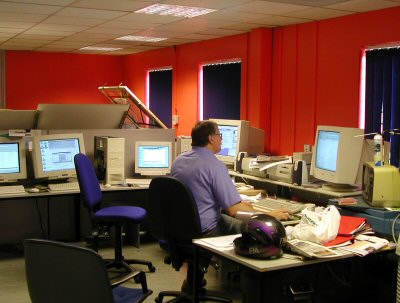
Sharing an office with another person can be difficult. Having a colleague in close quarters with you when you are trying to work can be advantageous or completely unbearable.

It can be beneficial to have another person in your office. They can be someone to brain storm with and discuss ideas and solutions to your work problems or simply just someone to talk to. This can make your day more interesting and motivating. However, sharing your office can cause a lot of problems too, particularly if your job requires quiet and is fast paced and stressful. If you are used to working in your way, having another person in your space can be distracting and even aggravating.

Having an office-mate can be a positive experience. It can be someone to bounce ideas off of and help you to develop those ideas before presentation to your boss. However, it is important to try and allow each other to have personal space, even if it is a small office.

The arrangement of the furniture in the room can either make or break a shared-office relationship. If you can, it can often be good to have some kind of partition in the room, clearly marking your space. If not, just make sure that your desks are far enough apart that you are not bumping into one another every time you move. Also make sure that office equipment that has to be shared, such as printers, fax machines and copiers, are in a position that you can both reach with ease without getting into each other’s way.

Besides the problems that the logistics of the office space itself can cause there are also personality and work-style clashes. Some people like to listen to music while working, and if this is the case it is best to use headphones. Not everyone wants to hear your music and it can be distracting for some. Headphones may help to solve this argument before it even occurs. It can also be a good idea to “stagger” lunchtime as this can provide you with some peace and quiet if you take lunch at different times. This can then allow you to get critical things that require focus done. Continue reading “Office Share – The Pros and Cons”

Office Art and Decor

When choosing how to decorate your office it is important to choose art and décor that speaks positively about the environment of the office and sends the right message to both employees and clients.

It can be difficult to choose the right colours, wall hangings or sculptures that not only fit in with the corporate culture but also adhere to a sense of professionalism and will help to create a relaxed and welcoming atmosphere for clients. You and your employees also spend a large amount of time in the office so it should be an interesting and motivating place.

Continue reading “Office Art and Decor”

Good Working Relationships

Updated November 26, 2012

Unless you work from home or spend most of your working day visiting clients, the truth is that relationships with work colleagues are an essential –and sometimes conflictive- part of our working lives. Some people actually spend more time with their colleagues than with their families, so it is easy to understand how necessary it is to make sure that work relationships flow smoothly instead of being a source of conflict.

The importance of good working relationships

Over the past few decades, team work and the ability to maintain positive relationships with other members of staff have become valuable skills that virtually every employer expects. There are several reasons why good working relationships are a must in today’s fast-paced corporate world.

In the first place, positive relationships with work colleagues contribute to create an agreeable atmosphere in the workplace. Perhaps only those who have problematic relationships with their colleagues know how oppressive an office can be when you do not get along with the people around you. In fact, psychologists believe that having problems with work colleagues is one of the biggest causes of stress and that its importance is often underestimated.

Secondly, an agreeable working atmosphere can help increase productivity. A 2009 study showed that productivity levels could be enhanced by up to 10 per cent when the relationships between staff members were free of strains. It has been shown that companies where staff gets along have lower levels of absenteeism and lower turnover. Therefore, it is not surprising that employers look for team members who know how to relate to others positively. Continue reading “Good Working Relationships”