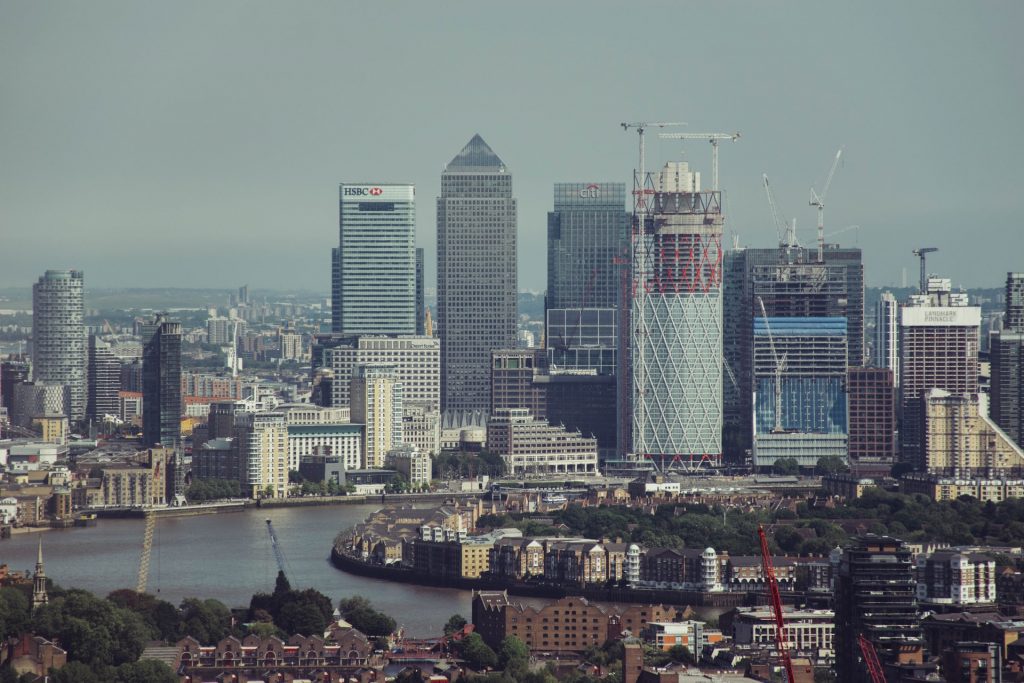
East London Office Space Rental Costs & Vacancy Rates 2021

East London offices are home to a diverse mix of tenants, involved in sectors ranging from industry to manufacturing, technology, banking, and finance. Office-based businesses are attracted to this area due to its competitive rental rates and access to local talent.
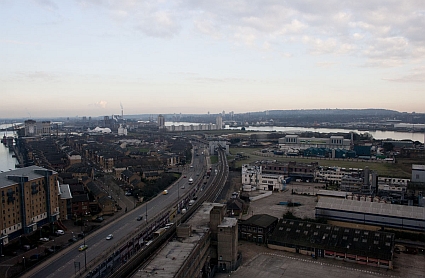
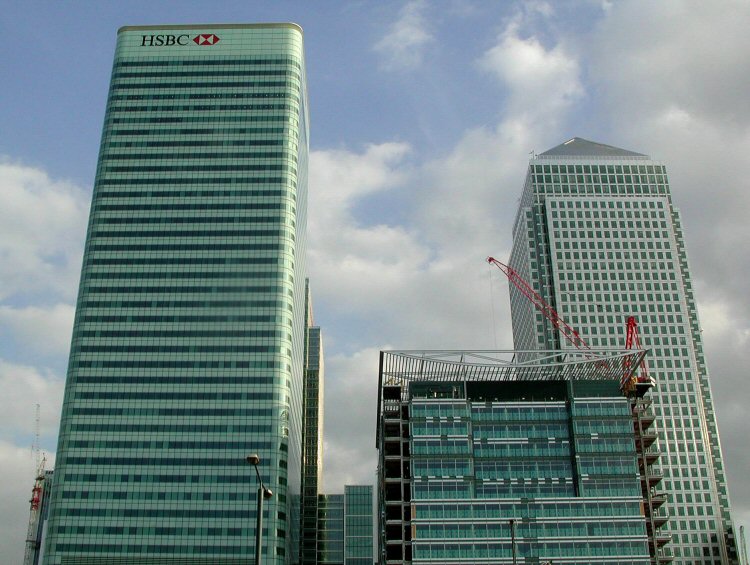
2021 started off in East London with average prime rents of £45 per square foot. Rates for tenant controlled space were slightly lower at £42 per square foot. Asking rents were one of the few indicators that remained stable along with incentives, which currently amount to 30 months rent-free for office leases of 10 years or more.

Although rental rates experienced little changes during Q2 2021, they’re expected to decline by 10-15% by 2022, a figure substantially higher than in other London sub-markets.

As for vacancy rates in East London, they spiked to nearly 12% during the first three months of the year. Although this number is high, it’s still lower than the record-figure of 13.8% reached in 2020.

Continue reading “East London Office Space Rental Costs & Vacancy Rates 2021”

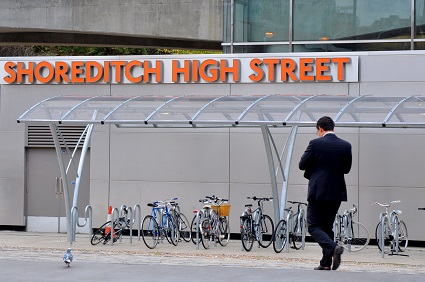
Focus on Business in Shoreditch

Focus on Business in Shoreditch, London, UKLocated in London’s East End, Shoreditch is found within the borders of the London Borough of Hackney. Sitting in the heard of Central London’s modern core, the area is synonymous with the capital’s thriving technology industry. Many of the UK’s more innovative start-up technology companies are based in Shoreditch, alongside the world’s leading technology and financial companies. The area is a major player in the UK’s £72 billion technology sector.

Shoreditch’s Evolution

The early history of Shoredtich was centred on theatre. The area was home to England’s first playhouses. The Theatre was built in 1576 and was the stage for some of William Shakespeare’s plays. Another early theatre, Curtain Theatre, also hosted Shakespeare’s work steps from The Theatre. In 1599, Shakespeare’s Company relocated The Theatre to Southwark and built The Globe. Silk weavers and traders moved into the area during the 17th century and established the area as a textile centre. By the 19th century, Shoredtich also had a thriving furniture industry.

During the late 19th century, industrial Shoreditch experienced a decline in its traditional textile and furniture industries. Once part of Middlesex, Shoreditch became part of the newly established County of London in 1889. In 1899, the Metropolitan Borough of Shoreditch was created and included the districts of Shoreditch, Hoxton and Haggerston. Bombings during the Second World War destroyed much of the area’s housing stock, further contributing to Shoreditch’s economic decline. Much of the area was the focus of heavy redevelopment following the war. In 1965, Shoreditch was absorbed by the London Borough of Hackney.

Since the mid-1990s, Shoreditch has been an increasingly popular and fashionable area of London along with nearby Hoxton. Old Street and Curtain Road are known for their pubs and clubs, as well as a number of theatre and music venues that rival the West End. Shoreditch also has a large number of bars, restaurants and art galleries. Once a working class district, the area has been the subject of gentrification over the past twenty years. This has seen a steady increase in land and property values. Many former industrial buildings have been converted into flats and commercial spaces, particularly offices. The new Hackney Community College campus in Shoreditch is also aiding in the area’s transformation. Continue reading “Focus on Business in Shoreditch”

The Regeneration of East London

East London Regeneration LondonOfficeSpace.com @officeinlondonAs one of the world’s most vibrant cities, London’s innate dynamism means that the metropolis is in an almost continuous state of change. According to the Office for National Statistics, the population of the British capital has grown by more than 12 per cent in just ten years. This increase in population has also meant a rise in cultural diversity and in the creation or transformation of new areas in the city. When it comes to transformation, few London areas have undergone changes that are as significant as those that East London has experienced. In this article we look briefly at the history of East London and then examine how the recent regeneration projects that have taken place in the area have affected its economy and its inhabitants.

A brief look at the history of East London

The history of East London is inevitably linked to London’s port and its docks, as they were for several centuries a trading hub. East London experienced a notable expansion during the 19th century, when the railway reached Stratford and linked it with the docks, Custom House, and Woolwich.

The railway infrastructure was damaged during the Second World War, and although they were once part of the world’s largest port, the London docks experienced a sharp decline in activity between the 1960s and the 1980s. The closure of the docks severely affected the economic and social make-up of East London, and what had previously been a thriving area became stricken with unemployment, poverty, racial tension, and crime. The population went from almost 600,000 at the turn of the 20th century to barely 140,000 in 1981.

Key regeneration initiatives in East London Continue reading “The Regeneration of East London”

The Changing Landscape of the Docklands Area

The landscape of the London Docklands as we see it today is aesthetically very different to how it appeared as recently as thirty years ago. The area referred to as the London Docklands stretches from London Bridge for thirteen miles east along the River Thames, incorporating the London boroughs of Tower Hamlets, Greenwich, Lewisham, Newham and Southwark. When the Georgian docks began to open at the start of the 19th Century, they operated under the Port Of London Authority and ultimately formed the world’s largest port. The surrounding areas were populated by the families of those who worked on the docks and in related industries such as factories and warehouses; the docks were closed in 1980. Continue reading “The Changing Landscape of the Docklands Area”

Top Creative Companies in East London

East London, especially the Tech City and Shoreditch area is a major European hub for tech companies. Much of these tech companies are start-ups offering a variety of creative and innovative services. Tech City especially has a reputation for creativity. Entrepreneurs from all over the world reach out to this hub, seeking to leverage the facilities on offer, such as the presence of a vibrant community of entrepreneurs, financiers, creative artists and others, support services offered by Universities and government and more. Very few places in the world match such facilities.

Fast Growing Companies

Prominent start ups that have made it big in recent years include 7Digital, Eventbrite, INQ Mobile, Last.fm, Mendeley, Mind Candy, Moo Print, Playfish, SpliceTV, Spotify, Stylistpick, Ustwo, We7 and more. Continue reading “Top Creative Companies in East London”